

When we analyze the mechanics of live TV games like Cash Or Crash Live, we find components created to offer players a illusion of control within a volatile context. The Block function stands out as amongst the most significant gameplay tools accessible to UK players. Different from the core game of randomness, where a variable multiplier can collapse at any point, the Block allows a participant to actively ‘lock in’ a share of what they could win before the inevitable crash occurs. It converts a completely spectator session into a more interactive, decision-based type. We view its use as a essential risk-management approach, differentiating casual play from more calculated methods. For the UK players, where playing is often seen through a prism of both enjoyment and clever engagement, mastering this function is essential to dealing with the game’s inherent struggle between desire for more and security.
Psychological Impact on Play
The implementation of the Block function profoundly modifies the mental interplay of Cash or Crash Live. Without the Block, the game is a straightforward challenge of nerves, a all-or-nothing “cash out or bust” situation that often leads to regret—either from cashing out too early or busting out. The Block addresses this by offering a third, reassuring alternative. This feature reduces the fear of total loss, which in turn can lead to more relaxed and potentially more profitable decision-making. We find that UK players utilizing the Block often report feeling more in control, which enhances their enjoyment and engagement with the game. However, it also creates new forms of mental stress, such as the vexation of blocking at 3x only to see the multiplier ascend to 10x. This “fear of missing out” (FOMO) is a strong driver, and learning to manage the emotional response to a well-timed or mistimed block is equally crucial as mastering the timing.
Exactly what the Block Function In Reality Entails
At its core, the Block function in Cash or Crash Live is a straightforward yet potent protective feature. Throughout a round, as the multiplier increases, a player can click the Block button to guarantee a slice of their possible payout. This action creates a secure baseline for that round’s payout. If the game crashes at a level under where they placed their block, they still get the blocked amount. If it goes beyond the block point, their potential earnings keep increasing, yet the secured total is guaranteed. It’s vital to grasp that activating the Block does not terminate your involvement during that round; your current multiplier stays in play, but you possess a safety net. We consider this dual-state play—having safety while remaining active—to constitute the mechanism’s psychological draw. For players in the UK, it directly addresses the age-old problem of knowing when to take money off the table, a notion recognized from scenarios ranging from financial markets to high-stakes trivia.
Frequent Blocking Mistakes to Avoid
Through our analysis of gameplay, we’ve recognized several frequent pitfalls UK players should be aware of when using the Block. The most common mistake is blocking out of fear at the first indication of a rising multiplier, often at a figure so low it barely covers the initial stake. This negates the function’s goal of securing meaningful profit. Conversely, greed leads to the error of never blocking at all, treating every round as an all-or-nothing gamble, which statistically erases gains over time. Another less obvious error is setting the block at a particular, psychologically important number like 5.0x, which many other players are also likely to use. If a crash is crafted to frequently occur just below such common thresholds, this strategy can backfire. We recommend players to adjust their block points and found them on a pre-defined strategy rather than emotional impulses during the thick of the round.

In what manner UK Rules Shape Feature Use
The employment of tools like the Block does not occur in a vacuum; it’s framed by the UK’s stringent gaming regulations and responsible gaming framework. The UK Gambling Commission stipulates that games provide clear information and tools that foster player control. The Block function is in perfect alignment with this ethos, as it is a concrete tool for risk management and limiting losses. Furthermore, the availability of detailed game stats and history, which UK-licensed platforms have to provide, feeds directly into Block strategy. Gamers can examine past rounds to optimize their timing, incorporating analytical strategy. We also note that the UK market’s stress on transparency means the functioning of the Block are clearly described, avoiding confusion. This regulatory environment promotes a more deliberate, analytical approach to the gameplay, where the Block is seen not merely a button, but a key element of informed play.
Developing a Personal Block Approach
Developing a steady individual strategy for the Block is the trademark of a considerate Cash or Crash Live player in the UK. We suggest starting with a bankroll strategy plan: decide what fraction of your session stake you are ready to risk per round and what constitutes a achievable profit target. Your Block approach should meet these goals. One method is the “tiered block,” where you reserve a minor percentage of your potential winnings at a low multiplier, another portion at a moderate multiplier, and let the rest ride. Another is the “fixed profit” approach, where you determine the precise multiplier needed to achieve a set profit and cash out there each round, disregarding the appeal of greater multipliers. Crucially, any system must be recorded and stuck to before you start playing, as in-play emotions will obscure decision-making. The Block is a potent tool, but its strength is only realized through controlled, pre-meditated execution.
Contrasting Block to Auto-Cash-Out
It’s vital to differentiate the Block function from the individual Auto-Cash-Out feature, as UK players occasionally conflate the two. Auto-Cash-Out is a configure-and-ignore tool where you predetermine a multiplier at which your entire bet is immediately cashed out, ending your involvement in that round entirely. The Block function is more nuanced. It does not end your round; it just secures a portion of your winnings while your live bet continues to ride. This means you can still gain from a climbing multiplier after blocking, which is impossible with Auto-Cash-Out. We regard Auto-Cash-Out as a tool for control, applying a strict profit target. The Block, on the other hand, is a tool for risk management and opportunity maximisation. A experienced UK player might use both in combination—for example, establishing a moderate Auto-Cash-Out at 10x but using a manual Block at 4x to lock in a minimum profit well before that target.
Tactical Pacing for UK Players
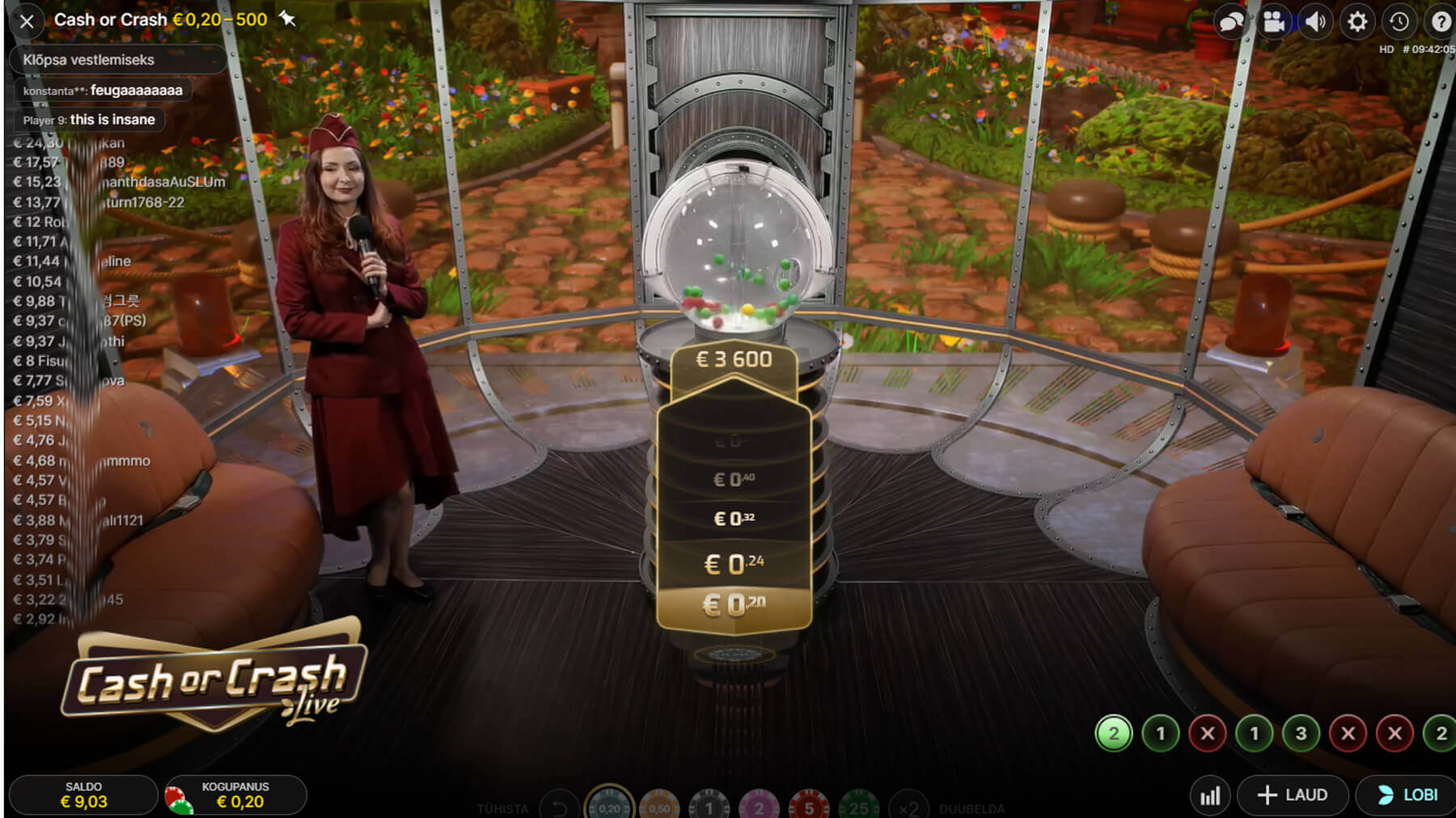
Strategic application of the Block revolves around scheduling, and UK players often develop strategies derived from observed gaming trends and individual risk appetite. There exists no universally ideal moment, which is what makes it a topic of such debate. Some recommend an initial block, possibly at a small 1.5x or 2x multiplier, to ensure a tiny but reliable return, accumulating a capital gradually and securely. Some, chasing larger profits, will permit the multiplier go much higher before activating their block. Our research shows that many experienced users in the UK employ a combined method, modifying their block level based on the pattern of recent sessions. As an illustration, following several consecutive small multiplier failures, a few might block earlier, predicting a tendency. On the other hand, after a large multiplier, the following game could witness users blocking at higher multipliers, hoping for a repeat. The crucial point is that the decision is proactive and context-driven, transitioning the participant from a passive bystander to an active participant, managing their own exposure.