
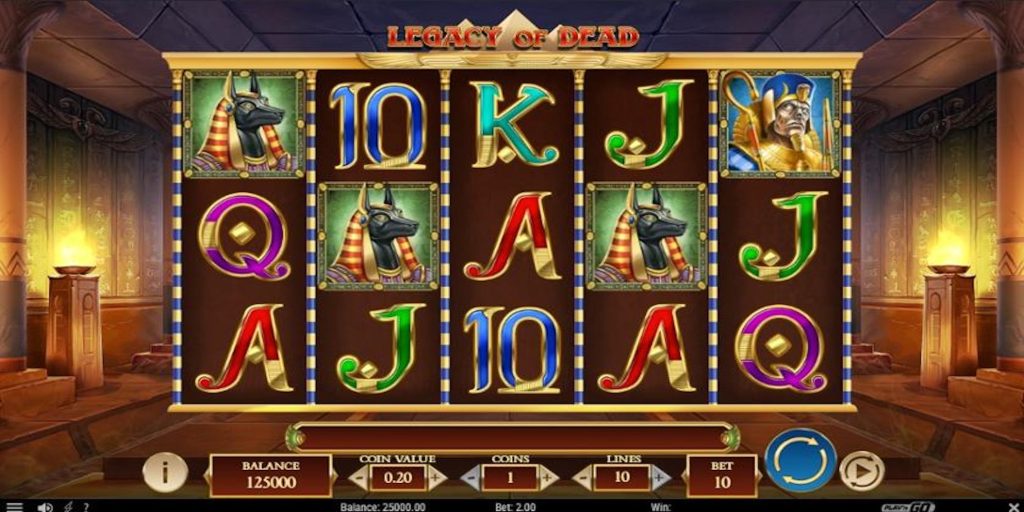
Leisure and cultural trends sometimes collide in unexpected ways https://legacy-of-dead.eu/. In the UK, a certain phrase from a popular online casino game, “Legacy of Dead Slot,” has commenced appearing in conversations about mental health. People are utilizing it as a metaphor for the state of therapy services. This article looks at that overlap. It investigates how the symbolism of a erratic slot machine conveys the experience of being held on a lengthy waiting list for psychological help. We will distinguish the actuality of the care challenges from the symbolic language, to better understand the talk about access, chance, and despair when seeking support.
Economic and Social Costs of Delayed Care
The effects of these waiting lists spread far beyond the individual. They create a heavy burden for society and the economy. Unaddressed or worsening mental health conditions lead to more sick days, reduced productivity at work, and higher benefit claims. Families, caregivers, and community networks endure immense strain. Postponed intervention often means conditions become more entrenched and complex. They then require more intensive and expensive treatment later. Putting resources in timely therapy is not just a clinical need. It is a socio-economic one, easing the long-term pressure on the NHS and other public services.
Transitioning from Luck to Certainty in Emotional Wellness
The primary aim should be to make the metaphor explored here obsolete. A solid mental health service should not resemble a high-volatility slot machine. Availability to therapy must transition from a perceived game of chance to a trustworthy, timely guarantee based on clinical need. This demands a fundamental shift in how resources are distributed, in public focus, and in political will. It entails building a workforce sizable enough to meet demand and creating services that are proactive, not just passive. The heritage we should strive for is not one of dead spins and anticipation. It is one of live, instant support. We need a system where the first call for help reliably starts a process toward recovery, not a long period of worried anticipation.
Mental Toll of Lengthy Waiting
Awaiting therapy, after finding the courage to ask for help, imposes its own psychological damage. This time is marked by a toxic blend of hope and helplessness. People might believe their condition isn’t serious enough to warrant faster care. Or they may assume it is so dire the system has abandoned them. This ambiguity leads to rumination. The wait itself becomes a central focus of anxiety, making the original symptoms worse. The metaphor of the spinning slot reel visualises this suspended state. It is a repetitive anticipation with no clear end, which can wear down resilience and foster a sense of betrayal by the institutions meant to help.
Understanding the Metaphor: Slot Mechanics and Therapy Waits
The “Legacy of Dead” slot game is known for its high volatility. Its central free spins feature only activates when a player lands three or more scatter symbols. This mechanic offers a striking, if grim, analogy. People trying to get therapy through the NHS or some private services report a similar experience of spinning wheels. They make repeated calls, fill out assessments, and wait in a queue. They hope for the ‘scatter’ of an available appointment to trigger the actual help they need. The metaphor reflects a feeling of randomness and helplessness. Access to care can seem less like a systematic process and more like a game of chance, with serious consequences for a person’s mental health while they wait.
The Unpredictable Nature of Service Access
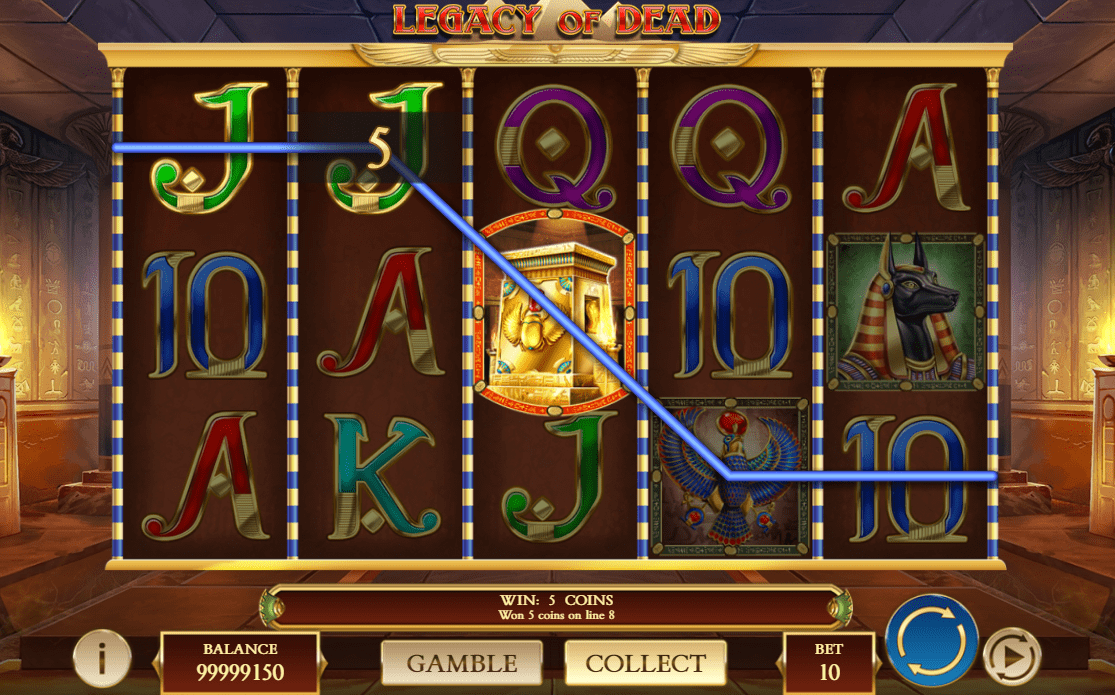
In slot games, high volatility means bigger wins that happen less often. Applied to mental health, this mirrors the inconsistent service provision across the UK. Someone in one area might get talking therapies within weeks. Another person in a different region could wait eighteen months or more for similar care. This postcode lottery creates a volatile environment. The outcome depends more on geographical chance than on uniform clinical need. Not knowing when, or if, help will come worsens the initial anxiety. It strengthens the idea that recovery is subject to a random, impersonal system.
The Scatter Symbol of Eligibility
In the game, the scatter symbol unlocks the valuable bonus round. In our metaphor, it stands for the eligibility criteria and assessment gates in mental health pathways. Patients must ‘land’ the right combination of symptoms, severity, and persistence to be deemed suitable for a particular service. If their presentation doesn’t match the protocol perfectly, there is no ‘trigger’. They might be referred elsewhere or told to try self-management. To the person in distress, this process can feel random. It resembles the slot player’s hope for specific symbols to align, turning a clinical assessment into a moment of tense chance instead of a gateway to certain care.
Alternative Pathways and Private Treatment
Dealing with long waits, many people look for other options. This produces a two-tier system. The private therapy market delivers faster access, but at a high financial cost that is out of reach of most. Charities and third-sector organisations provide crucial crisis support and counselling. Yet they are often overloaded and cannot deliver long-term, regulated therapy to everyone. This landscape imposes a hard choice: bear the public queue or face financial strain. This dynamic strengthens the slot machine metaphor. The ‘jackpot’ of prompt, effective care seems to require a payment many cannot make, presenting mental wellness as a commodity achieved mainly through luck or money.
The Place of Digital Mental Health Tools
Digital mental health tools, apps, and online CBT programmes have grown rapidly in response to these gaps. The NHS and private providers present them as a potential stopgap. They boost accessibility and can provide useful self-management techniques. But they are not a cure-all. Their effectiveness differs, and they lack the human connection many seek in therapy. For some, they are a helpful resource while waiting. For others, they seem like a diluted substitute for the human-to-human support they need. Their rise is a direct result of a system grappling with capacity.
Government Actions and Institutional Hurdles
The UK government and NHS England have introduced various policies to confront these issues. These include promises for more funding and an widening of the IAPT programme. Systemic problems remain, however. There is a persistent shortage of licensed clinical psychologists, psychotherapists, and counsellors. Staff exhaustion is common. Cases presenting after the pandemic are increasingly complex. Funding often lags behind rising demand. Political cycles can interrupt long-term strategic planning for mental health. Addressing the waiting list crisis requires more than cash. It needs a sustained, strategic commitment to workforce development and service integration that lasts beyond any single parliamentary term.
The Dangers of Gambling Metaphors for Wellness
The “Legacy of Dead Slot” metaphor is evocative, but we should be cautious of its dangers. Likening healthcare access to gambling can inadvertently standardize the idea that health outcomes are determined by chance, not guarantees. It jeopardizes portraying a systemic failure as an random game, which might weaken public anger and political responsibility. Additionally, for people struggling with both mental health issues and gambling addiction, the metaphor could be triggering or unhelpful. Such comparisons are best used as tools for critique, not as accepted characterizations. The conversation must stay focused on systemic reform and the right to swift, consistent care.
The Facts of UK Therapy Waiting Lists
The concrete evidence paints a stark picture. NHS talking therapies, known as IAPT services, show gains in some areas but still have significant variations in waiting times. The target is for 75% of people to start treatment within six weeks. Many trusts fail to meet this. Waits can extend beyond a year for more complex cases or specialist services like child and adolescent mental health (CAMHS). These delays are not just numbers. They are periods of declining mental health, strained relationships, and for some, increased risk. The “Legacy of Dead Slot” metaphor works because it resonates with the actual experience of thousands stuck in this holding pattern.