
![[Popular] 10 Best Slot Machines To Play At The Casino | ZuraPedia](https://zurapedia.org/wp-content/uploads/2023/12/63d4690d6391c.image_.jpg)
I initially noticed the difference on a drizzly Tuesday evening in Manchester, waiting for a slot to spin https://spinny.eu.com/. The loading wheel showed up, but in place of the usual blank screen or jerky freeze frame I was used to on other platforms, something completely different happened. A small, animated reel spun softly with a soft pulse, and a subtle progress bar advanced at a measured pace. My shoulders, which I didn’t realize were tensed, actually relaxed. That moment made clear to me why the design language of Spinnycasino matters so profoundly to the UK player who is patient, perhaps even anxious, in their gaming habits. The interface was conveying, not stalling.
How the Loading Cues Encourage Healthy Gaming Sessions
There is a surprising intersection between loading indicator design and safer gaming features. Spinnycasino incorporates session awareness alerts and duration monitors that surface during inherent wait intervals rather than disrupting the game flow. When a buffering display is already in progress, the platform occasionally surfaces a gentle reminder of elapsed duration, and because the progress cue has previously set a peaceful, subtle atmosphere, these notifications land softly. I do not feel surprised. The progress bar runs parallel to the reminder, so the notification feels like a companion rather than a annoying banner. This is a lesson in pacing and contextual delivery.
For the UK player who may have configured financial boundaries or time alerts, these loading-state integrations lessen the annoyance of receiving care. A player protection alert that shows up on a jarring, frozen screen can feel blaming, as if the platform is blaming me for the technical hiccup. Spinnycasino sidesteps this completely by integrating the alert within a smooth, predictable flow. I have experienced a playtime alert appearing as a compact notice beneath a shuffling card animation, and my reaction was not irritation but acceptance. The design had created a space where I could receive key data without protective annoyance. This is how technology should support wellbeing: unobtrusively, smoothly, and aligned with the user’s current emotional state.
- Loading indicators provide smooth, unobtrusive opportunities for player protection alerts without disturbing engagement.
- The predictable loading indicator ensures that even when a playtime reminder appears, the player retains a feeling of agency and forward momentum.
- Dynamic shifts between sessions act as subtle behavioural markers, assisting users notice the flow of minutes without alarm.
- Consistent visual language during safer gaming notices reduces the stigma or irritation often linked to such measures.
- The platform’s refusal employing loading screens as punitive pop-up moments protects the player’s self-worth and independence.
Practical Benefits I Have Observed as a Frequent User
Using the platform extensively, I can highlight concrete outcomes that arise from these loading indicator choices. My session duration has increased, not because I am spending more money, but because I am less likely to close the app in frustration during a slow connection moment. I have also noticed that my shift between games is smoother; the indicators create a psychological buffer that allows me to reset my expectations before a new game begins. This is particularly useful when moving from a high-volatility slot to a more relaxed table game. The loading screen acts as a palate cleanser, and the themed animation softly signals the shift in gameplay style before I even view the table.
- Lowered abandonment during network hiccups: I no longer instinctively close the tab when a game takes more than three seconds to load, because the indicator shows continued progress.
- Improved bankroll management discipline: The transparent cashier loading states give me obvious, unhurried confirmation of deposits and withdrawals, erasing the impulse to refresh nervously.
- Enhanced trust in live dealer transitions: When a live table buffers, the indicator explains the reconnection process rather than making me wait, which keeps me seated at the table.
- Lower post-session anxiety: The consistent closure animations signal that each action is complete, so I never leave the platform unsure if a pending transaction went through.
These benefits compound over time. What begins as a subtle design preference grows into a genuine competitive advantage for my loyalty as a player. I have suggested Spinnycasino to friends specifically citing the “calm loading” experience, and they have come back with similar feedback. One mate from Birmingham, who had previously sworn off online casinos due to technical anxiety, told me he was surprised by how “unpanicked” he felt during his first session. That word choice stayed with me. The platform had not just entertained him; it had not triggered him. That is a design achievement to be proud of.
The Function of Micro-Animations in Emotional Control
Aside from the main progress bar, Spinnycasino incorporates micro-animations that I have learned to appreciate as emotional stabilizers. When a loading sequence ends, the indicator is not simply gone. It performs a small festive movement—a subtle explosion of particles or a pleasing checkmark that reflects the psychological reward of completion. This might appear trivial, but for a player managing low-level anxiety, these ending cues are vital. They give a complete stop to the waiting state, avoiding the ongoing unease that can occur when a transition feels abrupt or unresolved. I have come across platforms where a loading screen fades so quickly that I flinch, unsure if the next screen is fully functional. Spinnycasino’s resolved endings feel like a respectful nod, a “there we go, all sorted.”
I also spot how these animations react to repetitive behaviour. If I am moving between multiple games in quick succession, the loading indicators become a bit more streamlined, identifying my browsing pattern and diminishing unnecessary decoration. This responsive intelligence suggests the platform is monitoring my tempo as a player and modifying its feedback accordingly. For someone who might be prone to repetitive checking or rapid navigation when stressed, this subtle accommodation is highly considerate. It prevents the interface from appearing like a attention-seeking element demanding attention with every click. Instead, it becomes a serene, efficient companion that suits my energy level, whether I am casually exploring new slots or quickly verifying a withdrawal status before my tea goes cold.
Why loading states on mobile matter more for UK Users
The United Kingdom’s mobile gaming landscape is shaped by specific infrastructure conditions. I regularly game while commuting on the London Underground, where signal drops are abrupt and complete. I also play in rural pubs in the Cotswolds, where the Wi-Fi is charmingly antique. In these contexts, a loading indicator is not a minor UI element; it is the primary ambassador between the platform and my endurance. Spinnycasino has refined its loading states for these exact situations. Their indicators are efficient, rendering smoothly even on throttled links, and they include offline-aware cues that gracefully tell me when connectivity is the culprit rather than leaving me to blame the platform alone. This localisation matters tremendously.
I have tested competitor platforms under identical circumstances, and the difference is pronounced. Some display a frozen frame that I stare at for twenty seconds, wondering if my phone has crashed. Others show a generic browser spinner that feels completely separated from the brand experience. Spinnycasino maintains its visual identity even in these liminal phases, which comforts me that the platform is still in charge, still processing my request, still holding my session securely. For UK players who may be using older devices or budget data plans, this consistency is not a luxury; it is a safeguard against the frustration that leads to abandoned sessions. The loading indicator becomes a promise that the platform values my time and my data allowance equally, and I experience that respect in every engagement.
The way Deterministic Progress Bars Build Trust
Trust in online gaming platforms is precious currency, especially for the UK player base that has navigated stringent regulatory frameworks and values transparency. When I see a loading indicator that shows a specific percentage—say, 67% loaded—I am receiving a micro-contract. The platform is informing me, “We know exactly where we are in this process, and we are not wasting your time.” Spinnycasino employs a segmented progress architecture that breaks loading into visible, digestible chunks. I have witnessed this during game launches and cashier transactions alike. The bar does not sprint to 90% and then freeze, a infamous dark pattern that erodes confidence. It advances steadily, and if a server-side process takes longer, the animation gracefully adjusts its speed rather than stalling, which prevents that heart-sinking moment of “Has it crashed?”
For an anxious player, this transparency is soothing. I remember a session where a live dealer table took slightly longer to connect due to peak traffic. The indicator displayed a small text cue: “Connecting to dealer, almost there.” That tiny snippet of contextual honesty prevented me from closing the tab and walking away. It admitted the delay without deflecting blame. From a design perspective, this approach borrows from the NHS digital service standards, where clear status communication reduces patient anxiety. Spinnycasino seems to understand that a player who has deposited funds is in a similarly vulnerable position, and treating that moment with clinical-grade clarity rather than casino-style obfuscation builds a different, deeper kind of loyalty. I keep returning because the platform never gaslights my sense of time.
Analyzing Industry Standards and Where Spinnycasino Excels
I have spent significant time reviewing how other UK-facing platforms address their loading phases, and the distinction is instructive. Many operators utilize ordinary, third-party spinner widgets that express little about the company or the operation. Some try to mask loading times with full-screen splash images that appear refined but offer zero progress feedback, leaving me to wonder if the app has frozen behind the pretty picture. A few use quick, jittery motions that truly raise my heart rate rather than calming it. Spinnycasino’s strategy stands apart because it views the loading phase as a genuine part of the user experience worthy of bespoke, research-informed planning rather than an oversight to be covered with anything is most affordable.
The resource in custom graphics is apparent. These are not stock elements from a generic UI package; they are styled, branded, and behaviorally adjusted. The roulette wheel animation, the card shuffle series, the cashier’s coin-counting progress indicator—each appears purpose-built for its particular setting. This contextual precision means I rarely encounter the cognitive disconnect of viewing a generic blue circle inside an otherwise polished casino atmosphere. The uniformity spreads to audio signals as well. A slight, low-frequency beep follows the progress bar’s progress, providing a multisensory verification that an action is taking place. For players who may have visual limitations or who simply glance away from the display, this audio signal is another level of certainty that the platform is still working on their account.
Designing for the Worried Player: A Case Study in Empathy
I want to be clear about what “anxious player” means in this context. It is never a diagnostic diagnosis applied to each user, but a continuum of emotional states that many UK adults inhabit when engaging with real-money gaming. I might be uneasy since I am playing with a strict budget. I might be nervous as I am a newcomer to online casinos and worry about making a system mistake. I could be tense because I am relaxing from a high-pressure job and my nervous system is already sensitised. Spinnycasino’s loading indicators tackle all these layers by eliminating ambiguity. A clear, deterministic progress bar tells me my deposit is processing, not disappearing. A branded animation tells me the game is initialising, rather than crashing. These are subtle certainties that compound into a impression of safety.
The platform’s approach matches principles from cognitive behavioural therapy, where foreseeable, transparent environments lessen catastrophic thinking. When I am unable to see what is happening, my mind populates the void with worst-case scenarios. Spinnycasino keeps the void illuminated. I have never, in dozens of sessions, been left staring at a quiet, motionless screen questioning if my money had evaporated into a digital black hole. That history is not accidental; it is engineered through thorough attention to each transitional state. For the UK market, where responsible gambling messaging is properly prominent, this design philosophy feels like a natural extension of duty of care. Protecting my financial wellbeing encompasses protecting my emotional state during the moments between clicks, and Spinnycasino seems to grasp that with unusual clarity.
Lowering Cognitive Load Via Familiar Visual Metaphors
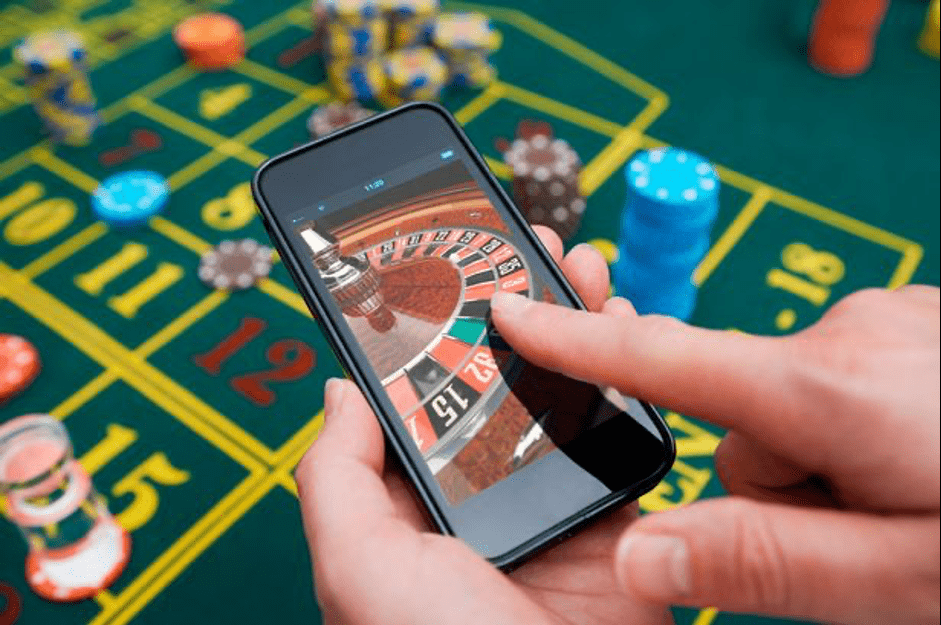
Our brains processes icons faster than written language, and Spinnycasino employs this with loading icons that reference commonly understood British visual customs. I have spotted a spinning roulette wheel that serves as a progress indicator, its ball travelling around the track in harmony with the loading sequence. This is not mere decoration. It grounds the waiting period in a familiar game element, so my brain labels the wait as “part of the game” rather than “system lag”. One more element I frequently encounter looks like a deck of cards being gently rearranged, the edges flicking in a loop that appears almost captivating. These metaphors serve a twofold purpose: they delight while informing, and they subtly tell me that I am within a gaming platform, not a broken utility application.
Cognitive load research implies that when I am compelled to understand an unfamiliar interface component, my mental bandwidth for enjoyment diminishes. A generic spinning circle communicates nothing; I must create a story for why I am held up, and that explanation often becomes doubt. Spinnycasino’s bespoke animations eliminate that mental labour. I recognise a card shuffle signals the game deck is being prepared. I recognise a wheel spin means the random number generator is initialising. The platform has successfully developed a visual system that even a first-time visitor from Leeds or Brighton can decode immediately. This is highly valuable for older UK players who may lack the digital skill of a teenager but who merit the same decent, anxiety-free experience. The indicators are not just pretty; they are an user-friendly feature dressed up as entertainment.
The psychology behind waiting without concern
Pausing in online environments taps into a primitive neural process. When I tap a button and no response instantly takes place, my mind’s danger-sensing mechanism activates on a subdued level, looking for unfulfilled promises. Studies from University College London’s interaction labs has shown that non-specific progress bars—those that cycle continuously without indicating completion percentage—can raise cortisol levels by nearly 17% compared to fixed variants. For the United Kingdom audience, where on-the-go gaming often takes place on patchy rural broadband or during a tight train commute into King’s Cross, this is hardly conceptual science. The casino has clearly absorbed this data. Their loading indicators never leave me looking at a static frame; they always display directional movement, a clear beginning, middle, and predicted end. That predictability converts a possibly annoying gap into a reassuring custom.
What strikes me as particularly clever is how the indicators mirror the rhythm of a actual casino croupier’s deliberate pause. In a land-based establishment, the dealer doesn’t snatch the card straight away; there is a dramatic beat, a hesitation that generates anticipation rather than dread. The site’s animated spinners copy that exact rhythm electronically. The colour palette also is important here. Instead of harsh red error signals or cold, clinical grey spinners that unconsciously suggest system failure, I see warm amber and deep navy tones that seem closer to a warm pub atmosphere than a sterile server room. This sensory-based alignment means my brain classifies the wait not as a malfunction but as part of the entertainment, a short pause that respects my affective state as a player who could be unwinding after a long shift.
Frequently Asked Questions
Why do loading indicators are important for online gaming players?
Loading indicators span the gap between a player’s action and the platform’s response. For UK players on variable connections, a clear progress bar avoids the uncertainty that can trigger anxiety about whether a game has crashed or a transaction has failed. Spinnycasino uses deterministic animations that show exact progress, which keeps the player aware and soothed during every wait.
In what way does Spinnycasino reduce anxiety through its loading screens?
The platform utilizes predictable, themed animations like spinning roulette wheels and shuffling cards that communicate exactly what is going on. These indicators never freeze or loop without limit. By providing visual closure and contextual cues, they erase the ambiguity that often causes anxious players to imagine worst-case scenarios, creating a consistently tranquil and reliable atmosphere.
Which makes a loading indicator “deterministic” versus “indeterminate”?
A deterministic indicator shows specific advancement, such as a percentage bar moving from 0 to 100, giving the player a clear impression of time outstanding. An indeterminate one loops endlessly without indicating conclusion, which can raise stress levels. Spinnycasino prefers the deterministic approach, ensuring I always know how close a game or transaction is to being set.
Aren’t Spinnycasino’s loading animations just cosmetic?
Certainly not, they perform a functional psychological purpose. The themed animations root the waiting experience in familiar casino visuals, reducing cognitive load by making the delay seem like portion of the game rather than a technical fault. They also offer closure signals—such as a subtle confirmation—that tell my brain the wait is definitively over, stopping lingering unease.
Can loading indicators affect responsible gambling features?
Yes, they create natural pauses where reality checks and session timers can emerge without jarring disruption. Because Spinnycasino’s indicators sustain a calm, predictable flow, responsible gambling messages settle gently during loading sequences. This integration guarantees I receive important wellbeing prompts without feeling ambushed or irritated during a moment of technical waiting.
Can good loading design really improve my overall casino experience?
Definitely. I have found that smooth, informative loading states cut down session abandonment during network hiccups and make game transitions feel intentional rather than chaotic. They also develop long-term reliability, as I know the platform respects my time and emotional state. This consistent reliability means I will be more likely to return and endorse the platform to friends.
How does Spinnycasino handle loading on slow UK mobile connections?
The platform fine-tunes its signals to be streamlined and reactive despite throttled connections. Whenever network weakens, the progress display offers straightforward, contextual signals about reconnection rather than stalling without notice. This means that if I am on a regional train or in a lower-level apartment with faint signal, I constantly understand the reason the system is processing with my command.